Color is a powerful tool in web design, influencing how users perceive and interact with your website. The right color choices can enhance user experience, evoke emotions, and drive engagement. Understanding color theory and its impact on user perception and behavior is essential for creating an effective and appealing website. In this blog post, we’ll explore the principles of color theory and how strategic color choices can shape the success of your web design.
Color theory is the study of how colors interact and the effects they have on human perception. It encompasses the color wheel, color harmony, and the psychological impacts of colors. By understanding these concepts, web designers can create visually appealing and emotionally resonant designs.
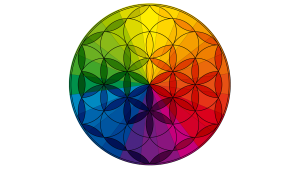
The color wheel is a circular diagram of colors arranged by their chromatic relationship. It includes:
Color harmony involves combining colors in a way that is aesthetically pleasing and creates balance. Some common harmonies include:
Colors evoke emotional responses and can influence user behavior. Here’s a look at how different colors impact perception and action:
Color is a fundamental aspect of brand identity. Choose colors that reflect your brand’s personality and values. Consistently use your brand colors across your website to reinforce recognition and build a cohesive brand image.
Use color to guide users through your website and highlight important elements. For instance, use contrasting colors for call-to-action buttons to make them stand out and encourage clicks. Ensure that your color choices enhance readability and accessibility, making it easy for users to navigate and interact with your site.
Align your color choices with the emotions you want to evoke. For example, if you’re designing a website for a spa, use calming colors like blue and green to create a tranquil atmosphere. For a tech startup, you might use bold, energetic colors like orange and yellow to convey innovation and enthusiasm.
Color can be used to establish a visual hierarchy, directing users’ attention to the most important elements. Use brighter or more saturated colors for key elements like headings and CTAs, while using softer or more neutral colors for background elements and secondary information.
Consider color accessibility to ensure that all users, including those with color vision deficiencies, can effectively use your website. Use sufficient contrast between text and background colors and avoid relying solely on color to convey important information.
Color theory plays a crucial role in web design, affecting how users perceive and interact with your website. By understanding the psychological impacts of different colors and applying them strategically, you can create a visually appealing, emotionally resonant, and highly effective website. Consistent and thoughtful color choices not only enhance user experience but also strengthen brand identity and drive engagement.
Ready to harness the power of color in your web design? Contact us today to learn how we can help you create a visually stunning and impactful online presence.
If you enjoyed this article, please follow me on Facebook, Instagram, and LinkedIn. If you’d like to inquire about my services or work with me, please contact me using this form, and I’ll get back to you momentarily. I look forward to helping you Teal Your Story!
Sincerely,
Anna Teal